
Abstract: Thermal imaging cameras have become an essential tool in modern industrial, security, and medical applications. This comprehensive guide explores how these devices function, their key parameters, and practical uses, while answering the most common questions professionals and enthusiasts encounter. The article provides an in-depth understanding of thermal imaging technology, assisting readers in making informed decisions.
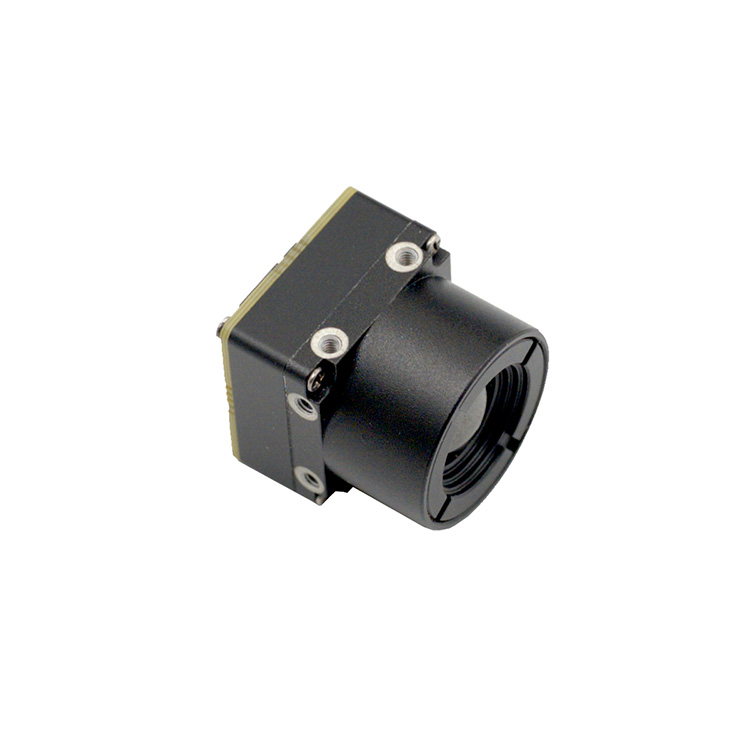
Thermal imaging cameras are devices that detect infrared radiation emitted by objects and convert it into a visible image, representing temperature differences. Unlike conventional cameras, they do not rely on visible light, making them invaluable for night operations, industrial inspection, and medical diagnostics.
This article focuses on guiding professionals and enthusiasts on how to use thermal imaging cameras effectively. It will cover the device's technical parameters, practical applications, and common challenges encountered during use. The central goal is to provide a structured resource for understanding and leveraging thermal imaging technology for various scenarios.
Choosing the right thermal imaging camera depends on several key parameters. The following table summarizes the most critical specifications for professional-grade devices:
| Specification | Description |
|---|---|
| Resolution | 320x240 to 1024x768 pixels – higher resolution provides finer temperature differentiation |
| Thermal Sensitivity (NETD) | ≤50 mK – indicates the smallest temperature difference detectable |
| Temperature Range | -20°C to 1500°C – suitable for industrial and scientific applications |
| Lens Options | 7.5mm to 50mm – adjustable for close-up or long-range imaging |
| Frame Rate | 9Hz to 60Hz – higher frame rates enable smoother motion capture |
| Connectivity | USB, Wi-Fi, HDMI – supports data transfer and remote monitoring |
| Power Supply | Rechargeable Li-ion battery or AC power – allows portable or stationary use |
These parameters directly impact the usability of thermal imaging cameras in industrial inspections, firefighting, building diagnostics, and medical screening. Understanding these features allows users to select the optimal camera for specific operational needs.
Thermal imaging cameras help detect overheating components, electrical faults, and insulation failures. By monitoring heat patterns, engineers can prevent costly equipment failures and ensure safety standards. The high-resolution cameras with accurate thermal sensitivity are particularly suited for detecting minor temperature variations in machinery.
In security applications, thermal imaging cameras enable detection of intruders in low-light or fully dark environments. These devices are essential for perimeter monitoring, night patrols, and border security, where visible light cameras may fail. Integrating cameras with real-time monitoring software enhances responsiveness to threats.
Thermal cameras are critical for locating individuals in smoke-filled or dark environments. They help firefighters navigate dangerous zones and detect hotspots that are invisible to the naked eye. Cameras with high frame rates and wide temperature range ensure timely intervention and enhanced safety.
Medical professionals utilize thermal imaging cameras to identify abnormal body temperature patterns, inflammation, or circulatory issues. Veterinary applications include monitoring animal health and detecting injuries. High sensitivity and precise resolution are necessary for accurate diagnostic readings.
Thermal imaging cameras are widely used in energy efficiency audits. Detecting heat leaks, insulation gaps, and water intrusion helps property managers and homeowners optimize energy use and reduce costs. Portability and ease of data analysis are crucial for effective building inspections.
A1: Thermal imaging cameras detect infrared radiation emitted by objects. Sensors convert this radiation into electrical signals, which are processed to generate a visual temperature map. The color variations in the image represent temperature differences, enabling users to identify heat sources or anomalies accurately.
A2: Yes, thermal cameras function independently of visible light. They can detect temperature differences during day or night. However, sunlight and reflective surfaces may influence readings, so calibration and careful positioning are essential for precise measurements.
A3: Accuracy is influenced by camera resolution, thermal sensitivity (NETD), environmental conditions, emissivity of materials, and lens quality. Selecting a device with appropriate specifications for the intended application is critical. Users should also allow the camera to stabilize thermally before conducting measurements.
A4: Proper maintenance involves keeping the lens clean, storing the device in a dry and dust-free environment, regularly updating firmware, and avoiding physical shocks. Calibration checks should be performed periodically to ensure accurate thermal readings.
A5: Yes, thermal cameras are highly effective in identifying electrical faults. Overheating components, loose connections, or insulation breakdowns can be visualized as abnormal heat patterns. Regular monitoring helps prevent equipment failures and ensures operational safety.
Thermal imaging cameras are versatile instruments for industrial, security, firefighting, medical, and energy-related applications. Understanding technical specifications, operational methods, and maintenance practices ensures users achieve accurate results and maximize device efficiency. Professionals seeking reliable performance can consider products from Jioptik, which offers advanced thermal imaging solutions designed for demanding environments. To explore options and request further assistance, contact us today for detailed guidance and support.
For more information on our products, please contact Jioptik.
