

Abstract: Laser rangefinder modules are precision devices used in various applications, from industrial automation to surveying. This comprehensive guide explores the core specifications, performance parameters, and practical uses of laser rangefinder modules. It also addresses common questions, offering actionable insights to help professionals select the most suitable module for their needs.
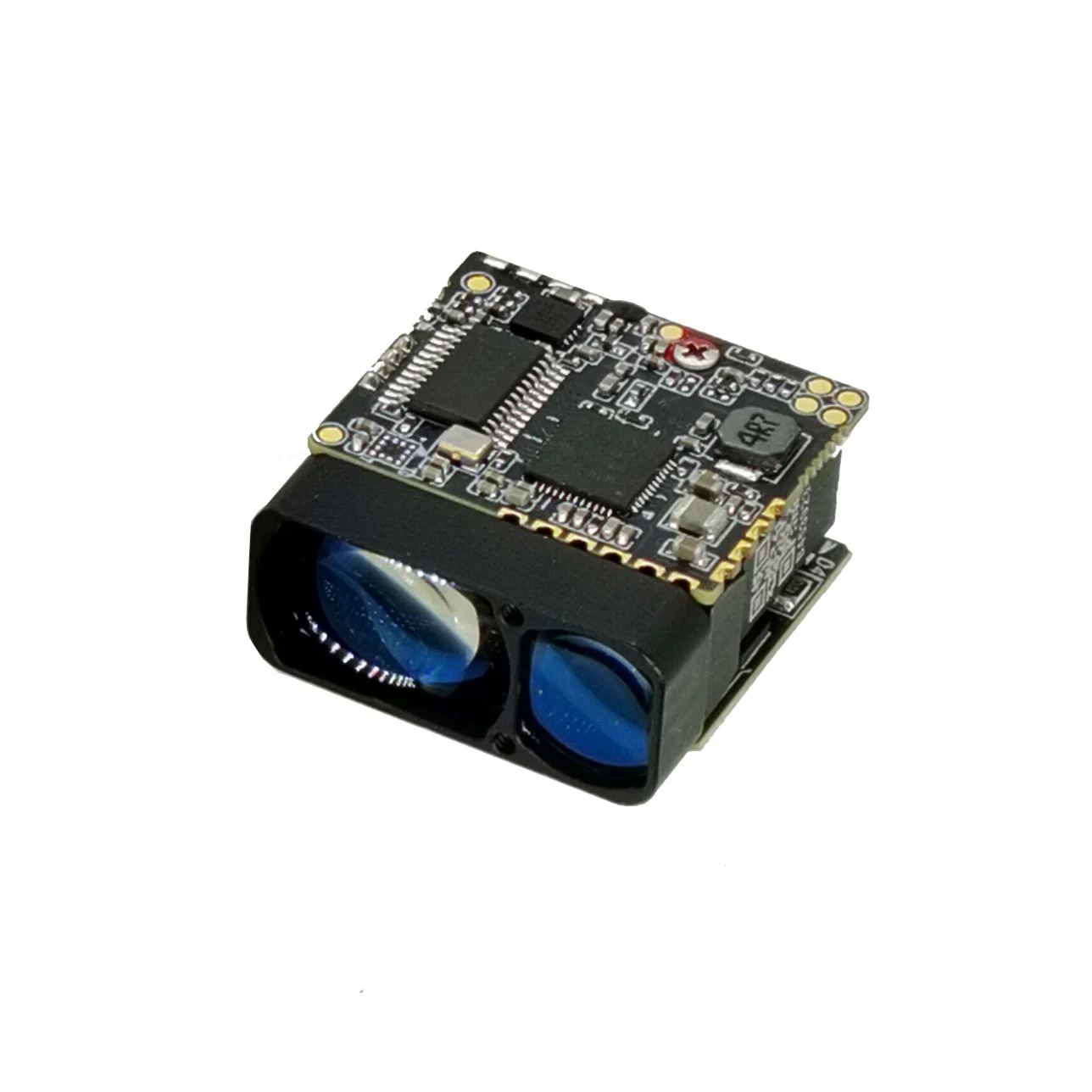
Laser rangefinder modules are devices designed to measure distances with high precision using laser technology. These modules are widely adopted in robotics, surveying, industrial automation, autonomous vehicles, and scientific research. They operate by emitting a laser beam toward a target object and calculating the distance based on the time it takes for the reflected light to return. Selecting the appropriate module requires understanding its measurement range, accuracy, power consumption, and environmental tolerances.
The core purpose of this article is to provide a detailed understanding of laser rangefinder modules, including their technical specifications, practical applications, and common questions that arise during selection and deployment.
Laser rangefinder modules vary in design and performance. Below is a representative specification of a professional-grade module:
| Parameter | Specification |
|---|---|
| Measurement Range | 0.05 m – 200 m |
| Accuracy | ±2 mm (typical) |
| Laser Type | Class 1, 905 nm pulse laser |
| Beam Divergence | 3 mrad |
| Measurement Frequency | Up to 10 kHz |
| Power Supply | 5V DC, 200 mA |
| Operating Temperature | -20°C to 60°C |
| Interface | UART / SPI / I2C |
| Dimensions | 40 x 20 x 15 mm |
Key considerations when evaluating a laser rangefinder module include: measurement range suitability for the intended application, interface compatibility with existing hardware, and stability in varied environmental conditions.
Q1: How does a laser rangefinder module achieve high accuracy over long distances?
A1: Accuracy is achieved through high-frequency laser pulses and precise time-of-flight (ToF) calculations. Advanced modules use signal processing algorithms to filter environmental noise and reflections, ensuring consistent distance measurement even at extended ranges.
Q2: What factors affect the performance of a laser rangefinder module?
A2: Key factors include target reflectivity, ambient light conditions, temperature, humidity, and beam divergence. High-reflective surfaces provide better signal return, while environmental extremes may reduce measurement precision. Selecting a module with environmental tolerance specifications is crucial for reliable operation.
Q3: Can laser rangefinder modules be integrated into autonomous systems?
A3: Yes, most modern modules support communication interfaces like UART, SPI, or I2C, which allows integration into robotics, drones, and autonomous vehicles. Proper calibration and synchronization with system software are required for accurate real-time measurements.
Laser rangefinder modules are deployed across diverse industries. Some common applications include:
Future trends indicate an increased integration of compact laser modules into consumer electronics, IoT devices, and autonomous transportation. Developments in solid-state LiDAR and improved signal processing algorithms are expected to enhance measurement speed, accuracy, and affordability.
Laser rangefinder modules are essential tools for precision measurement in professional and industrial applications. By understanding the technical specifications, evaluating environmental factors, and integrating them properly, users can achieve accurate and reliable distance measurements. JioptiK offers a wide range of high-performance laser rangefinder modules tailored for industrial, scientific, and autonomous systems.
For inquiries or customized solutions, contact us to explore JioptiK’s advanced laser rangefinder modules and support services.
For more information on our products, please contact Jioptik.
