
Thermal imaging cameras have evolved into essential detection and diagnostic tools across industrial maintenance, electrical inspection, building diagnostics, security, firefighting, and scientific applications. By converting otherwise invisible infrared radiation into a clear thermal map, these devices reveal temperature variations, hidden faults, and anomalies that traditional vision cannot capture.
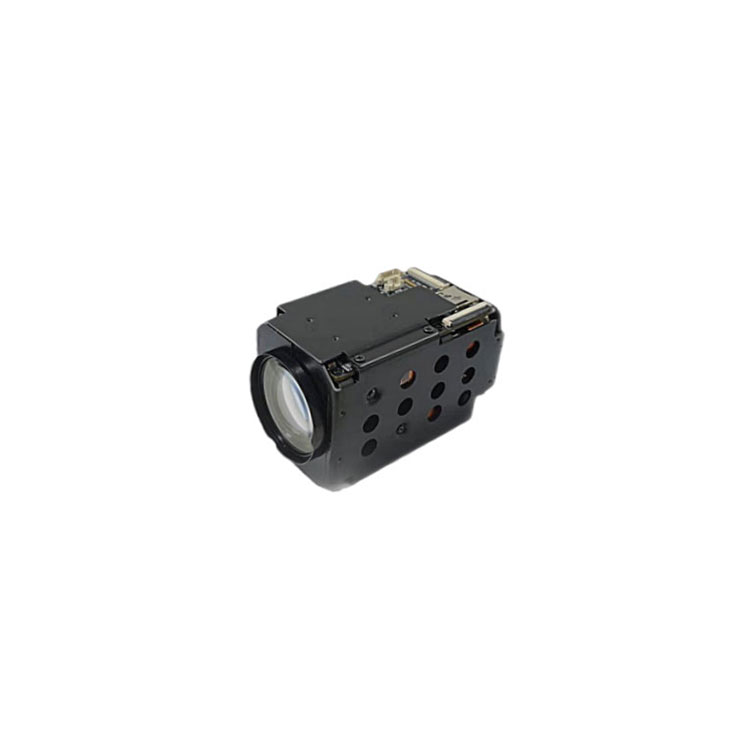
Below is a technical overview of representative thermal imaging camera specifications that reflect the level of performance commonly sought in industrial-grade equipment:
| Specification | Description |
|---|---|
| Infrared Resolution | 256×192 / 384×288 / 640×480 sensor options for sharp thermal detail |
| Temperature Range | –20°C to 550°C with high-accuracy measurement |
| Accuracy | ±2°C or ±2% of reading for reliable diagnostics |
| Spectral Range | 8–14μm IR wavelength band |
| NETD (Thermal Sensitivity) | ≤50mK for detecting subtle temperature differences |
| Frame Rate | 25Hz for smooth real-time imaging |
| Focus System | Manual or motorized focus options |
| Display | 3.5-inch to 5.5-inch high-brightness touchscreens |
| Image Modes | IR, visible light, fusion, picture-in-picture |
| Connectivity | Wi-Fi, Bluetooth, USB-C for fast data transfer |
| Storage | Internal memory + microSD expansion |
| Software Support | PC analysis suite for reporting and temperature trend evaluation |
Thermal imaging cameras detect infrared radiation naturally emitted from surfaces and convert it into visual thermographic data. Unlike standard optical cameras that rely on reflected light, thermal cameras visualize heat signatures, making them indispensable for scenarios where visibility is impaired or internal faults are otherwise invisible.
All surfaces with a temperature above absolute zero emit infrared energy. A thermal imaging camera’s sensor array captures this radiation, processes it through advanced algorithms, and presents it as a thermal image, where each pixel represents a precise temperature measurement. This enables professionals to detect overheating electrical components, insulation gaps, mechanical wear, energy loss, or hidden moisture before they escalate into safety hazards or costly failures.
Thermal imaging has become a cornerstone in preventive maintenance and field diagnostics because it offers:
Non-contact inspection: Ideal for high-voltage or hard-to-reach environments.
Real-time anomaly detection: Identifies issues instantly without service interruption.
Improved safety: Reduces exposure to hazardous areas.
Faster troubleshooting: Cuts inspection time significantly compared to manual tools.
Reduced operational downtime: Detects faults before they result in outages.
Industries adopting thermal technology continue to expand—from building science and HVAC to metallurgy, robotics, and perimeter security.
To understand their rising dominance, it is important to compare them with conventional approaches such as manual thermometer measurement, visible-light inspection, or ultrasonic testing.
Manual infrared spot thermometers collect temperature data from a single point at a time. In contrast, thermal imaging captures thousands of temperature measurements simultaneously—one for each pixel—producing a comprehensive heat map of the target area. This drastically improves diagnostic speed and reveals patterns that manual readings cannot capture.
Visible-light inspection depends on external illumination and cannot reveal hidden heat-related issues. Thermal imaging, however, identifies overloads in electrical systems, friction in bearings, or thermal leaks behind walls, making it superior for predictive maintenance.
While ultrasonic and vibration tools are valuable for mechanical diagnosis, they require specialized operation and sometimes physical contact with equipment. Thermal imaging provides immediate visual cues of overheating, misalignment, lubrication failure, or rotational imbalance, forming the first line of inspection before deeper testing is required.
Instant visualization of faults
Wider detection range with no direct contact
Shorter training curve for field technicians
One device for multiple applications
Lower long-term operational costs through preventive maintenance
Selecting the right thermal imaging camera depends on the intended application, required accuracy, and field conditions. Below are the key selection criteria that influence performance and usability.
Higher resolution yields clearer images and precise temperature differentiation. Industrial professionals often require 384×288 or 640×480 sensors for detailed analysis of electrical cabinets, machinery, or building envelopes.
A low NETD (≤50mK) enables the camera to distinguish subtle thermal variations, crucial for detecting early-stage faults in mechanical or electrical components.
High-temperature environments such as foundries or power distribution systems require expanded measurement ranges and precise accuracy to ensure reliable diagnostics.
Wide-angle lenses benefit building inspections, while telephoto lenses improve long-distance industrial monitoring or surveillance.
Thermal-visible fusion, isotherm alarms, and multiple color palettes enhance image interpretation, making diagnostics faster and more intuitive.
Wi-Fi, USB-C, cloud upload, and report-generation software allow seamless data sharing, trend tracking, and professional documentation.
Rugged housings, large touchscreens, long battery life, and ergonomic grips improve performance in demanding field conditions.
The thermal imaging market is moving toward heightened automation, enhanced intelligence, and stronger integration with digital ecosystems. Several trends define its future trajectory:
Thermal cameras increasingly incorporate advanced edge-processing algorithms capable of identifying patterns, predicting failures, and issuing automated alerts. This reduces the burden on operators and accelerates decision-making.
Industrial platforms are merging thermal diagnostics with digital twins, IoT sensors, and cloud-based monitoring. Continuous thermal monitoring improves predictive accuracy and reduces equipment downtime.
Compact and wearable thermal cameras will enable technicians to carry advanced diagnostic capabilities into confined or hazardous spaces.
Improved lenses and sensor technology will expand long-distance detection for perimeter security, search and rescue, and wildlife monitoring.
Thermal cameras will play a major role in optimizing energy usage in buildings, supporting carbon-reduction programs, and improving manufacturing efficiency.
Q1. How accurate are thermal imaging cameras for industrial inspections?
A1. High-quality thermal imaging cameras offer accuracy within ±2°C or ±2% of the reading. Accuracy depends on several factors such as lens type, distance to target, emissivity settings, and environmental conditions. When properly calibrated and used within recommended distance ranges, modern thermal cameras deliver highly reliable measurements that support professional-grade diagnostics across electrical, mechanical, and building applications.
Q2. Can thermal imaging cameras detect issues behind walls or enclosed structures?
A2. Thermal cameras do not see through walls, but they detect surface temperature differences caused by conditions behind the surface. For example, insulation gaps, moisture intrusion, overheating pipes, or air leakage distort the thermal signature of the wall surface. These anomalies become visible as temperature variances, allowing technicians to identify underlying issues without invasive inspection.
Thermal imaging cameras have become indispensable tools across industrial maintenance, building diagnostics, security surveillance, energy conservation, and emergency response. Their ability to detect invisible temperature patterns, identify early-stage faults, and enhance operational safety makes them a dominant technology for both present demands and future innovation. As industries increasingly adopt predictive maintenance and smart monitoring systems, thermal imaging cameras will continue to evolve toward higher resolution, greater intelligence, and improved integration with digital platforms.
For professionals seeking dependable thermal imaging solutions, Jioptik delivers advanced sensor technology, robust hardware design, and user-oriented features that support accurate diagnostics across demanding environments. To explore tailored thermal imaging solutions or request technical consultation, please contact us.
For more information on our products, please contact Jioptik.
